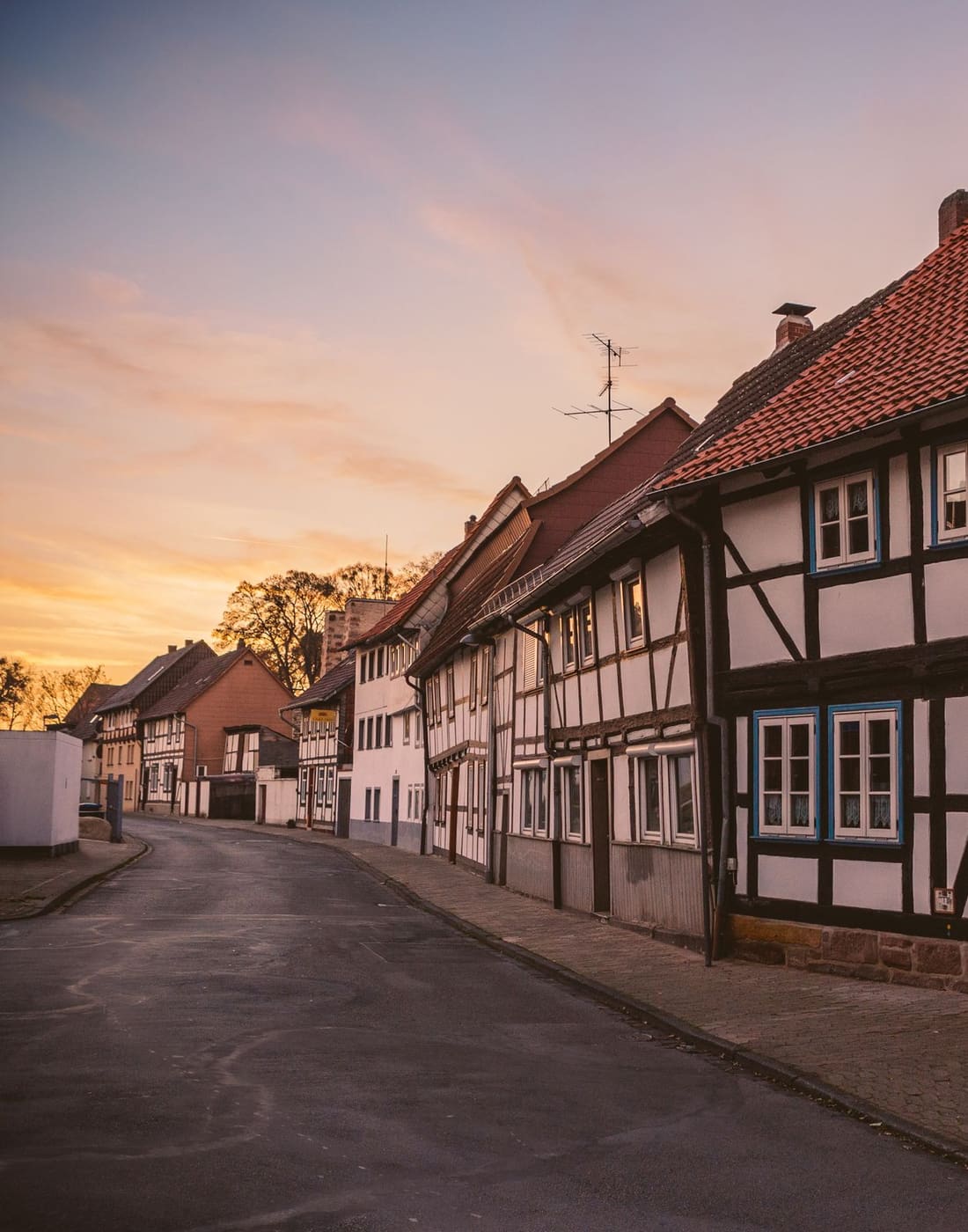
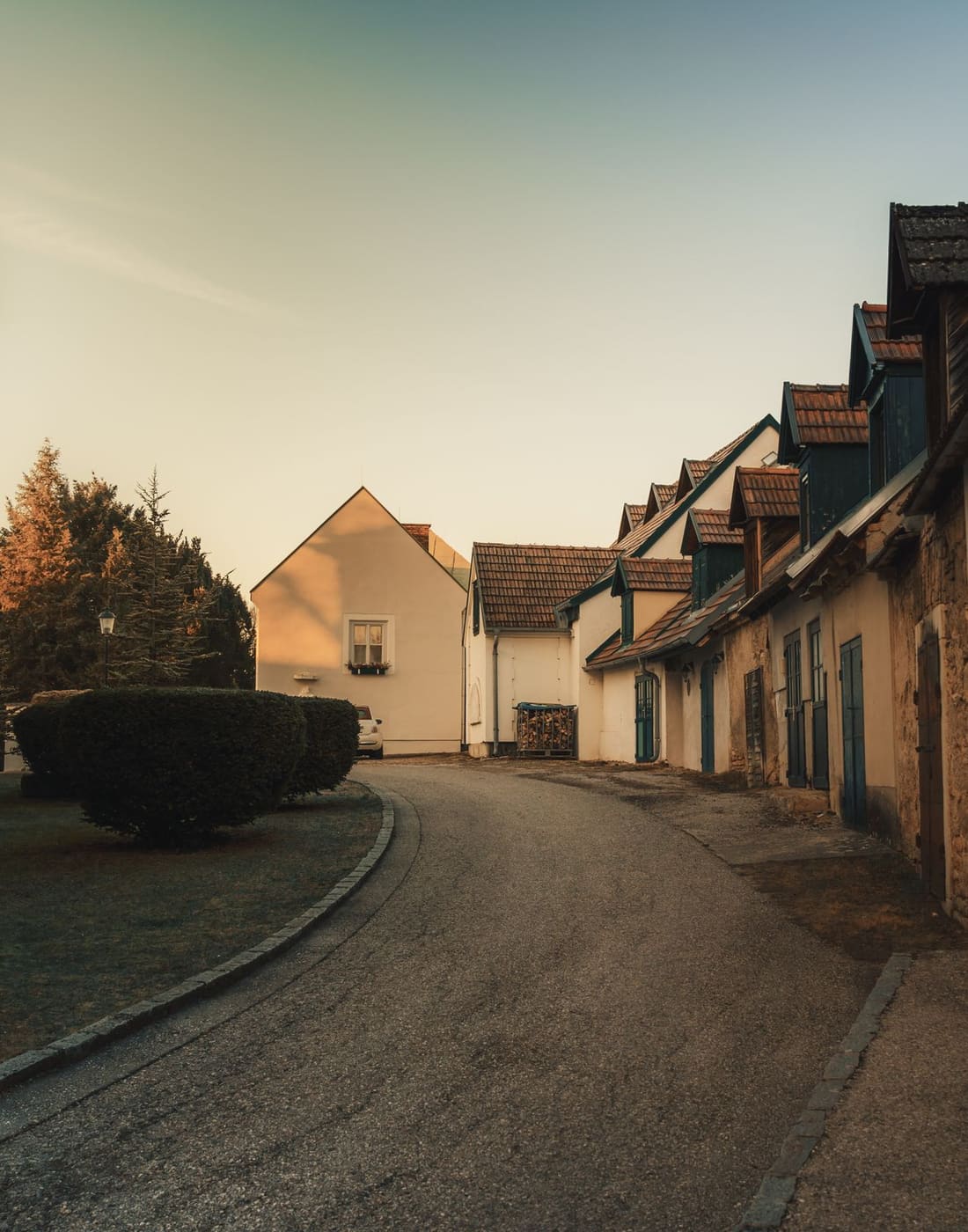



A project never comes about alone.
So that the project fits into the townscape of Ins as well as possible, we work together with the municipality. Cibolini Architektur GmbH is developing a workshop with the municipality, and a jury of several members accompanies the process.
- Location
- Village square, Ins
- Procedure
- Workshop process, planned
- Architecture
- Cibolini Architektur GmbH
- Status
- In development
Why we are not simply building
The site is not somewhere at the edge of the village. It sits directly on the village square of Ins. The municipal administration is there too, and this is where the paths through the village come together. Whatever is built here is what people in Ins will see every day. A building project at this address is therefore delicate in urban terms, no matter how good the individual design may be.
Then there is the protected status. Ins is a townscape of national importance and is listed in the federal ISOS inventory. The municipal building regulations define their own townscape protection zones, and for objects in the building inventory the cantonal heritage conservation office is the specialist body that assesses the project. The building on the village square is a protected object. Anyone planning here plans with these offices from the outset, not against them.
And then there is the history of the house itself. On 21 June 2022 the Hotel-Restaurant Bären on the village square burned. Around 120 firefighters were deployed, the roof structure burned out completely, nobody was injured. Since then a burnt-out ruin has stood on the village square, and for many people in the village that sight has become an open question.
From all of this we draw a simple conclusion: before a design comes about, it must be clear how it comes about. What is publicly documented so far is that the reconstruction is to be planned in workshops together with heritage and townscape conservation, the client and the municipality. That is precisely the route that is planned. In the canton of Bern such procedures are not marketing: Article 99a of the building ordinance recognises them as quality assurance procedures. Nothing has been decided yet, and we would rather say so openly than have to admit it later.
The workshop process in five steps
After the fire at the Hotel Bären, a new building will be built in the village centre of Ins. Because the site is of great importance to the village's appearance, we are not developing the project on our own, but in a cooperative workshop process together with the municipality of Ins, the client and a jury of independent specialists, heritage conservation and the Swiss Heritage Society (Heimatschutz).
Preparation
Needs analysis and setting the brief
At the beginning there is no design, only a question. The client and the municipality set out in writing what should be built on the village square, which uses are intended and which conditions apply. This includes the protected status of the building, the requirements of the building regulations and the expectations for the public space in front of the house.
- 01Uses and volume
- 02Protected status and regulations
- 03Relationship to the village square
Design
Several scenarios are examined
To find the best possible answers, several scenarios are examined. They serve as a starting point for the jury's discussion and lay the foundation for the further workshops. The scenarios shed light on different areas of tension that are directly linked to the use or to the integration into the built surroundings. For the Bären project, a single firm, Cibolini Architektur GmbH, works these scenarios out as several proposals.
- 01Showing the possibilities
- 02Creating a basis for discussion
- 03Examining interests
Conversation
Discussions with the assessment panel
The idea of the workshop lies in the chronological sequence of the topics. The discussions do not deal with finished projects; instead, interim results are discussed and alternatives sought. In this way the decision-making process, which in projects like this involves countless options, opinions and preferences, rests on several people and their dialogue. Everyone involved, in particular the specialist offices for heritage conservation and the Swiss Heritage Society (Heimatschutz), can contribute their experience at an early stage.
- 01Work in progress instead of a black box
- 02Feedback before submission
- 03Specialist offices involved early
Assessment
Final report and recommendation
After the last workshop session, the members of the jury draw up a final report recording the key decisions. The jury submits this report to the municipality, which passes it on to the architect and the client. The building application is then initiated on the basis of this report.
- 01Criteria from the brief
- 02Written reasoning
- 03Recommendation to the client
Further development
Preparing the ordinary building application
After the workshop process, the project still has to obtain the ordinary building permit. As with other projects, the application is submitted to the municipality, which checks it for completeness and then forwards the dossier to the canton. The canton obtains the specialist reports from the various offices and grants the permit, provided all criteria are met.
- 01Revision after the assessment
- 02Coordination with the specialist offices
- 03Then the ordinary permit process
Together with the municipality
So that the project fits into the townscape of Ins as well as possible, we work together with the municipality. The architecture office Cibolini Architektur GmbH is developing a workshop with the municipality.
That is more than a courtesy. The municipality knows the village square from a perspective that no planning document captures: it knows where people meet, which paths are used day to day and which debates this plot has triggered over recent years. That knowledge feeds into the brief before the first line is drawn.
At the same time, the municipality is not the client. It contributes its view and later assesses the project in the ordinary procedure, just as it would with any other building project. Keeping these two roles cleanly apart is part of preparing the procedure.
- The brief is set jointly
- A workshop with Cibolini Architektur GmbH is planned
- Assessment in the ordinary procedure stays separate from it

A jury with several perspectives
A jury of several members accompanies the process and brings different perspectives to it. In professional terms this body is called an assessment panel. Its task is to discuss the architecture firm's proposals, weigh them up and give the client a reasoned recommendation.
Such a panel is deliberately mixed, and its composition is regulated: the specialists form the majority, and at least half of them are independent of the client. Specialists such as architects, heritage conservators or landscape experts judge whether a design holds up in craft and urban terms. People who know the village judge whether it works in everyday life. Both are needed: a design that convinces only the profession can fail in daily use, and one that is merely pleasing will not stand up to the requirements of the protected status.
Because a workshop process involves talking along the way, the panel is not only involved at the end. It accompanies the architecture firm through the interim reviews and makes its standards visible early. The composition of the panel for the Bären project is still open.
- Specialists and local knowledge judge together
- Involvement at every interim step
- Recommendation with written reasoning
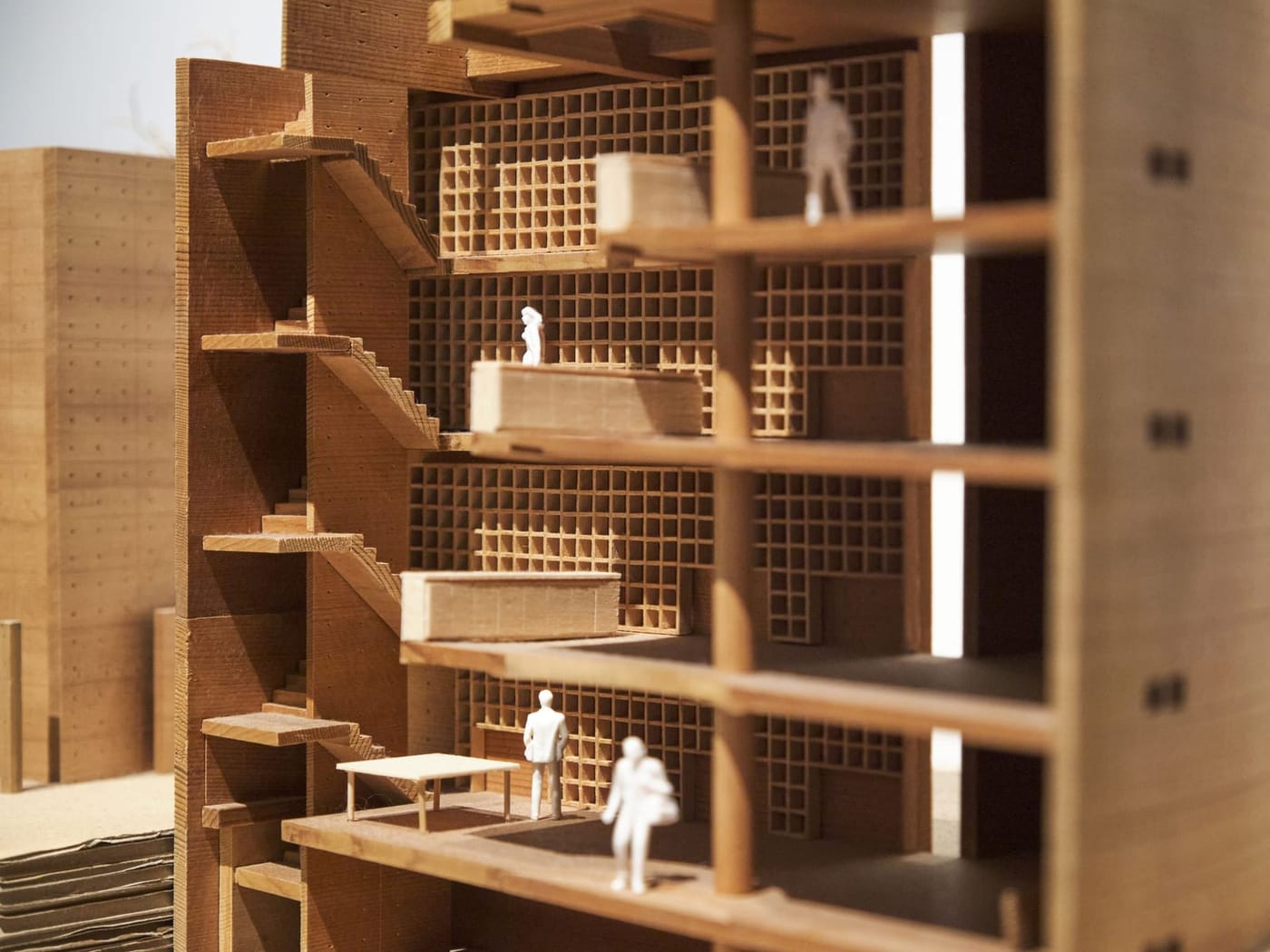
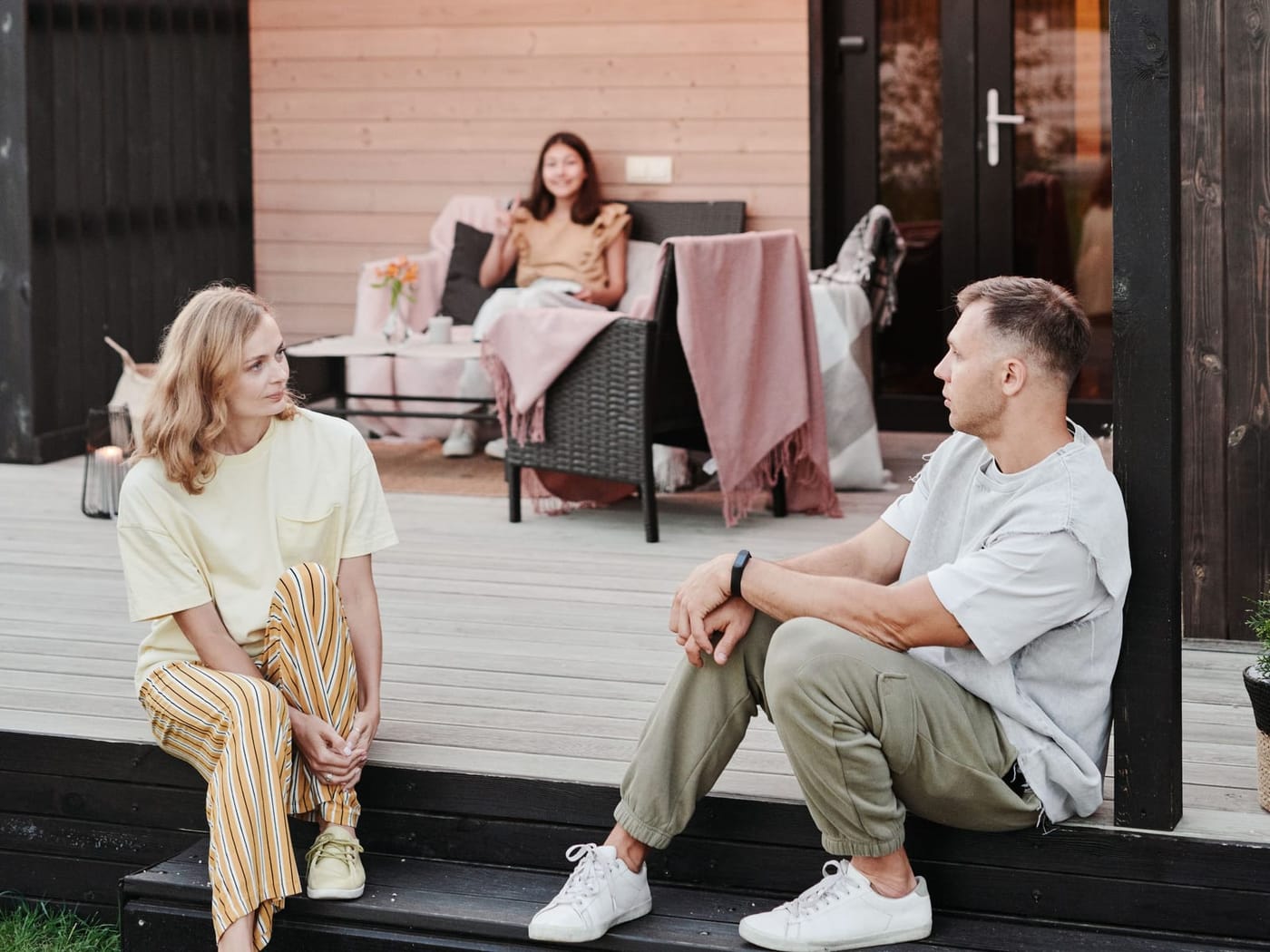
This is how architecture comes about not only for the place, but out of an understanding of the place.
The procedure is not an end in itself. It is the route by which a house on the village square can become a house of the village.
Who has a say
It is publicly documented that the reconstruction is to be planned in workshops together with heritage and townscape conservation, the client and the municipality. These four circles shape the process.
Municipality of Ins
The municipality brings the village perspective into the brief and takes part in the workshop. It knows the uses around the village square, the traffic situation and the history of the plot. It later assesses the project in the ordinary procedure, independently of its role in the workshop. The mayor is Kurt Stucki, and the municipal administration is at Dorfplatz 2.
Heritage conservation
Ins is a townscape of national importance, and the building on the village square is a protected object. For objects in the building inventory the cantonal heritage conservation office is the assessing specialist body. It examines how a proposal deals with the existing fabric, with volume, roof form and materials. Its comments should come early in the procedure, not once a design is already finished.
Assessment panel
A jury of several members accompanies the process and brings different perspectives to it. It discusses the architecture firm's proposals, runs the interim reviews and finally recommends one proposal for further development. Its recommendation is set out in writing. Its composition is still open.
Residents of Ins
Around 3,900 people live in Ins, and the village square belongs to all of them. Their questions and objections are not background noise to us but a test for the design. We report continuously on the state of the work, and in the ordinary permit process the statutory participation rights apply in any case. Anyone who wants to contribute can write to us directly at any time.
Who does what
We list here only what is documented. Everything else is still open and will be added as soon as it is settled.
- Client
- OLD FOR YOUNGThe site was bought in August 2026 by the property developers OLD FOR YOUNG.
- Architecture
- Cibolini Architektur GmbH, Hauptstrasse 159, 3286 MuntelierManaging director: Filippo Cibolini.
- Contact person
- Filippo CiboliniFirst point of contact for questions about the project.
- Procedural management
- still openWill be announced once the procedure has been set up.
- Assessment panel
- several members, composition still openSpecialists and people with local knowledge are planned.
- In addition
- Specialist offices such as the Swiss Heritage Society (Heimatschutz) or heritage conservation
Status of this information: ongoing development. None of these details constitute a guarantee.
We show how a project comes about
The Bären project is in development. Not every question has been answered yet, and that is precisely why we communicate openly and transparently.
In practice that means: we write down what is settled, and we write down just as clearly what is still open. We publish no figures we cannot substantiate, and we promise no dates that depend on the procedure. If something changes, we say so, even when the change is inconvenient.
For the residents of Ins
You see the burnt-out ruin on the village square every day. You have a right to know what is planned there, who is working on it and when each step is due. We report as soon as there is something to report, not only once everything has been decided.
For future residents
Anyone interested in an apartment is planning a life. That is why we say clearly what is secured at the current stage and what still depends on the procedure. Interested parties are considered in the order in which they get in touch.
For everyone interested in this place
How a building project comes about within a protected townscape usually stays behind closed doors. We show the route: the procedure, the people involved, the criteria. Anyone who wants to understand how this works will find it here.
All details reflect the current state of planning and do not constitute a guarantee.
Frequent questions about the procedure
Missing an answer? Write to us and we will take up the question.
Why is this taking so long?
Because three things come together on this site: a townscape of national importance, a location in the middle of the village and the building regulations. A procedure with several specialists, but one team and one goal, takes time. That time is invested at the beginning and won back later in the permit process, because the specialist offices are involved from the start.
Can I have a say as a resident?
Within the workshop process itself the assessment panel judges; the whole municipality does not sit at that table. The village perspective enters through the municipality and through panel members with local knowledge. In the ordinary permit process the statutory rights of participation and objection then apply, independently of this procedure. Regardless of that, we already take comments and suggestions directly at any time and answer them. It is a project for Ins.
What happens if heritage conservation says no?
Then the proposal is revised. That is exactly why the specialist office is involved early and not at the end: a comment during an interim review costs a revision, a refusal after the building application costs a project. It is expressly intended that the requirements of the protected status shape the design. A proposal that does not meet them does not go any further.
Will the proposal be shown publicly?
The aim is to show the recommended proposal publicly once the assessment panel has issued its recommendation and the client has decided. The form and the timing are still open and will be agreed with the municipality. We will announce it on this website. Before that we show no designs, because interim stages are easily mistaken for finished plans.
Are several architecture firms working on the project?
No. There are two kinds of workshop process. In one, several firms each develop a project. In the other, a single firm draws up several proposals. The Bären project follows the second kind: Cibolini Architektur GmbH presents several proposals, which are discussed and developed further in the workshop with the municipality, heritage and townscape conservation and the jury.
Who decides in the end?
The assessment panel issues a recommendation; the decision is not taken there. The client decides on further development. Whether it may then be built is decided by the ordinary permit process with the responsible authorities and specialist offices. At present no building application has been submitted and no permit has been granted.
Would you like to follow the process?
Whether you have a question about the procedure, are interested in an apartment or would like to talk to us about the location: we look forward to hearing from you.
Interested parties are considered in the order in which they get in touch.