

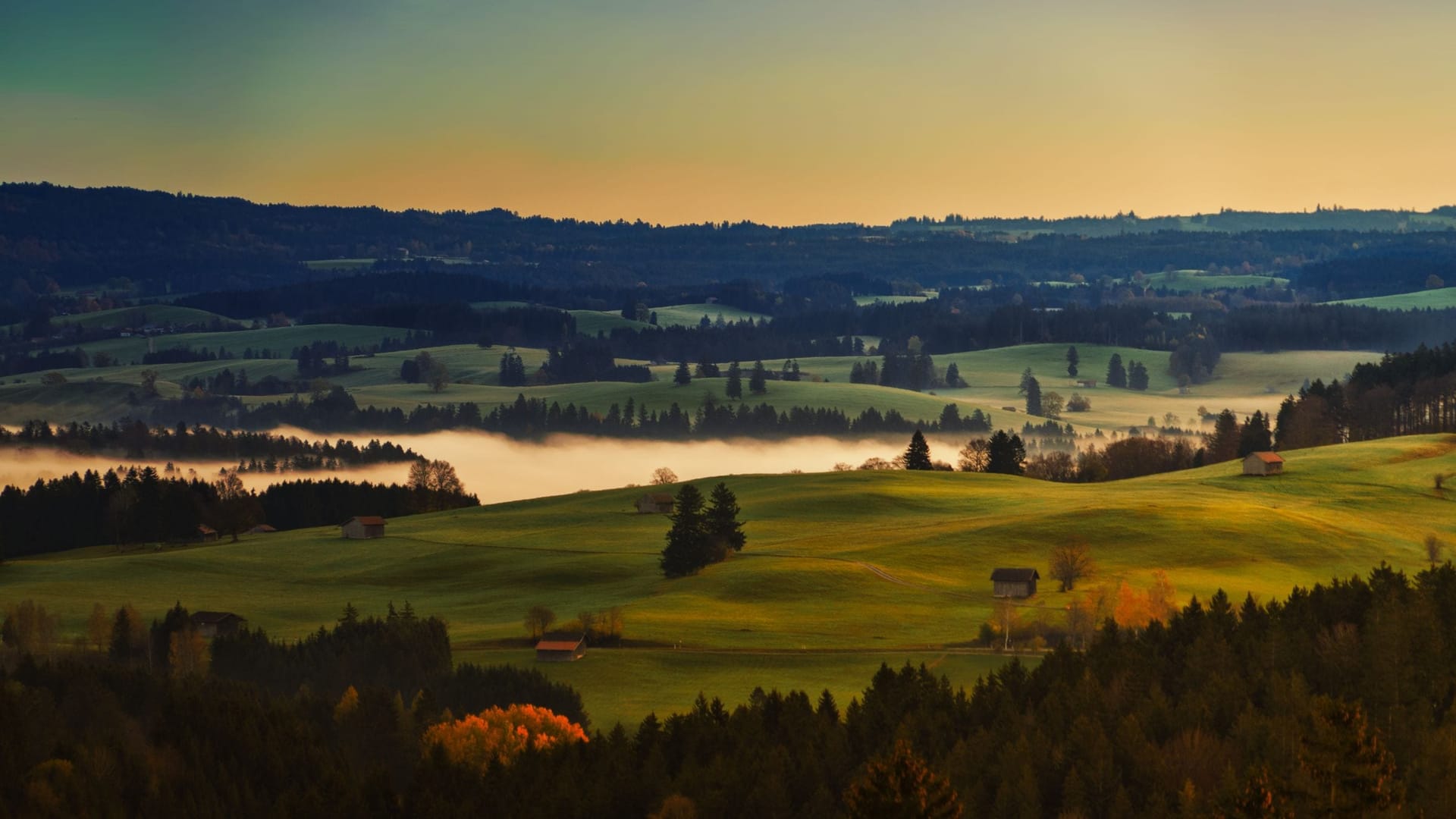
A village in the Grosses Moos.
Ins lies in the Grosses Moos, the flat drained farmland of the Bernese Seeland, between Lake Neuchâtel and Lake Biel and on the German-French language border. Anyone building here should know the place before changing it.
- Municipality
- Ins, in French Anet
- Postcode
- 3232
- District
- Seeland
- Canton
- Bern
- residents
- 3,900residentsRounded: sources give figures between 3,777 and 3,923
- square kilometres of municipal area
- 23.87square kilometres of municipal areaAround two thirds of it farmland
- of the population are 65 or older
- 22 %of the population are 65 or olderRounded: 826 of 3,777, as of 2024, Federal Statistical Office
- railway lines stop in Ins
- 3railway lines stop in InsPlus buses to Erlach and Tschugg
For the Bären project, the number of people aged 65 and over is the most important figure on this website. Around one in five people in Ins belongs to that group. It is not an argument for a building project, but it describes the kind of housing the village is short of.
Between Lake Neuchâtel and Lake Biel
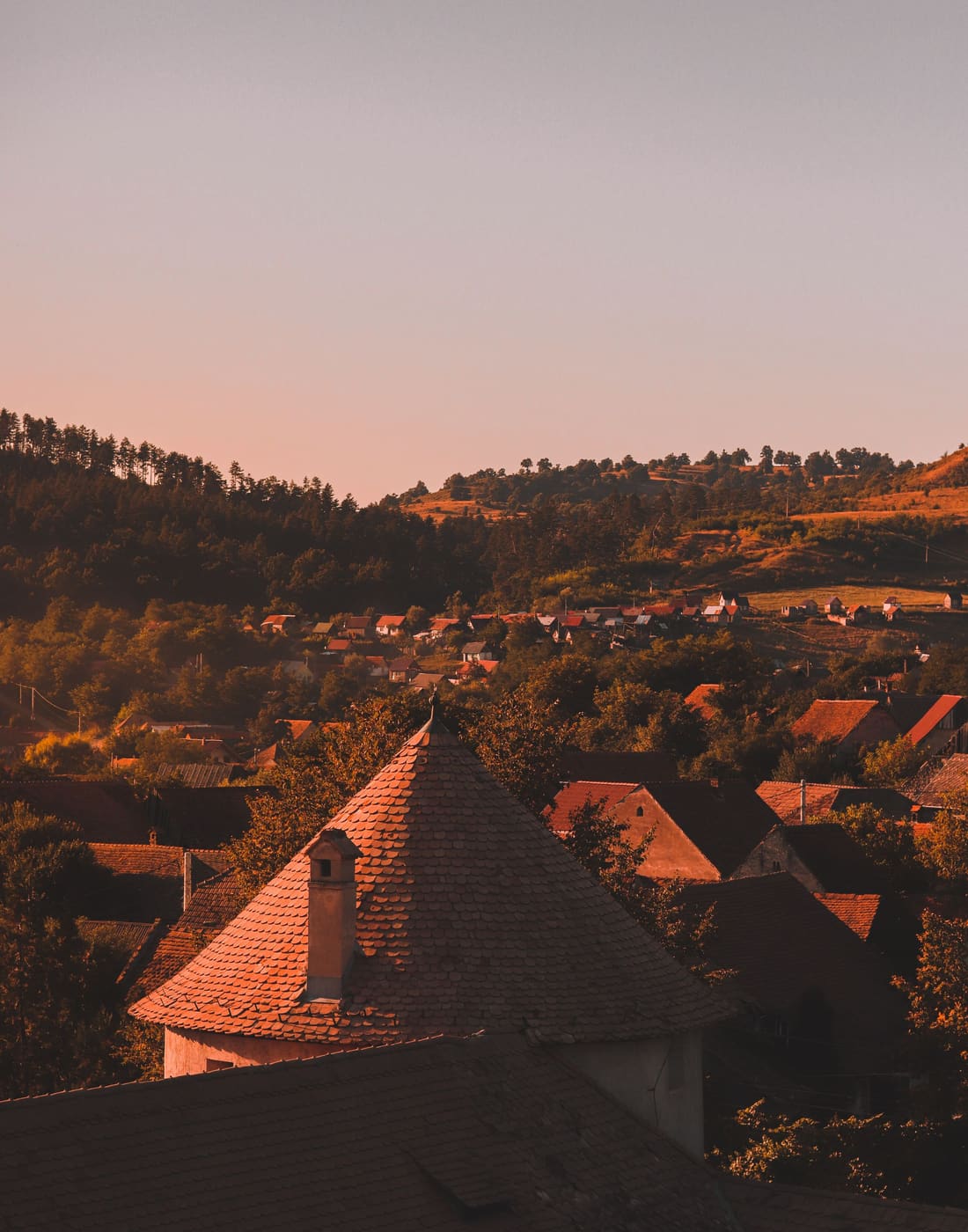
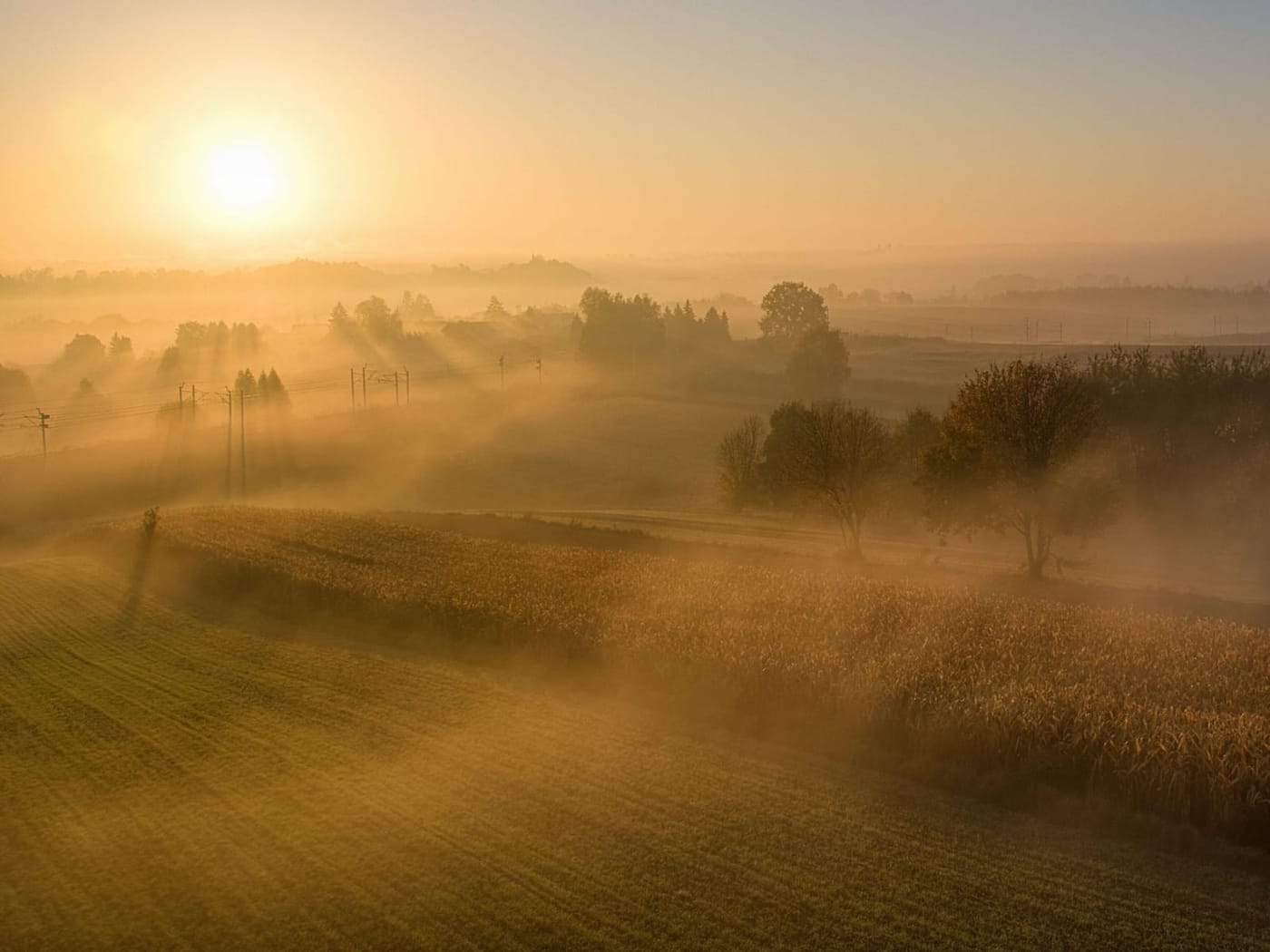
Ins lies in the Grosses Moos in the Bernese Seeland, between Lake Neuchâtel and Lake Biel. The Grosses Moos is flat farming country with fields running to the horizon. Around two thirds of the municipal area of 23.87 square kilometres is farmland.
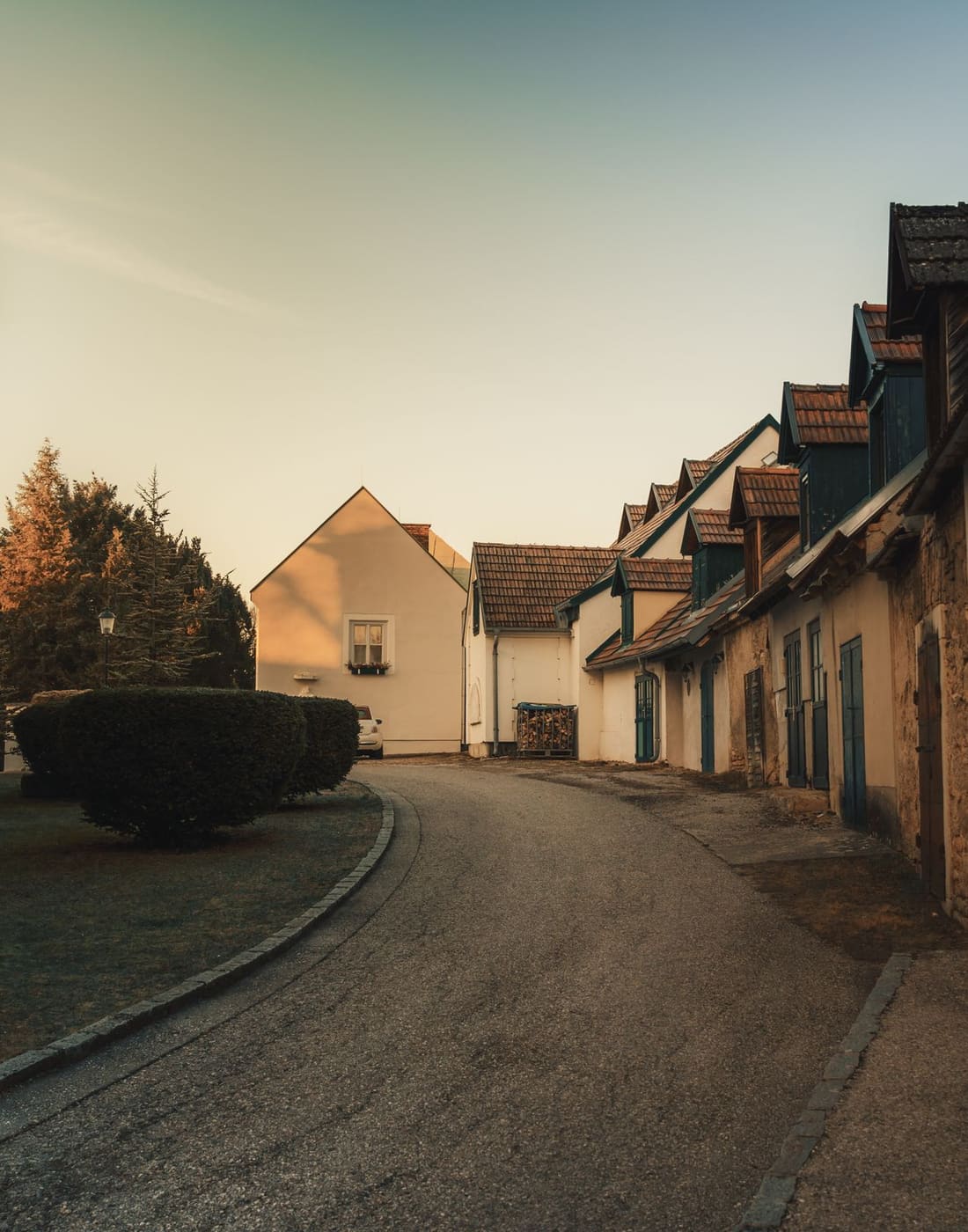
That shapes the place more than any statistic. Anyone looking beyond the edge of the village sees no urban sprawl, but fields. Ins is built like a village and not like a suburb, and the scale of its houses follows from that.
Ins sits on the German-French language border. The French name of the municipality is Anet, and both names are in everyday use. The neighbouring municipalities are Vinelz, Lüscherz, Brüttelen, Müntschemier, Mont-Vully, Cudrefin, Gampelen, Tschugg and Erlach. People here do not switch language as an exercise, but while doing the shopping.
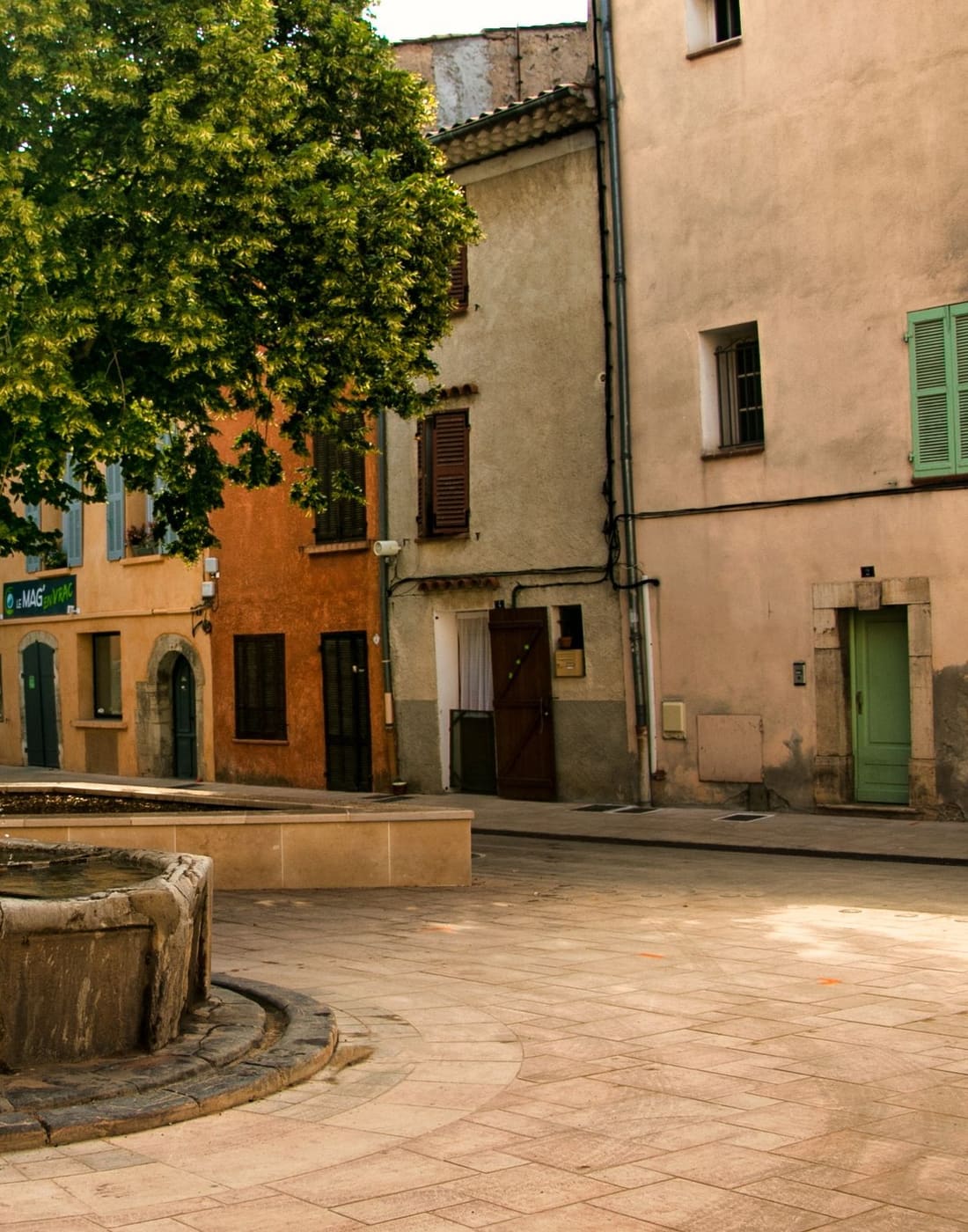
Administratively, Ins belongs to the Seeland district in the canton of Bern, and its postcode is 3232. The village square is the centre of the municipality. The municipal administration has its address there, and since the fire of 2022 the ruin of the Bären stands there too.
- Region
- Grosses Moos, Bernese Seeland
- Language border
- German and French
- Area
- 23.87 km²
- Farmland
- Around two thirds of the area
From Ins station
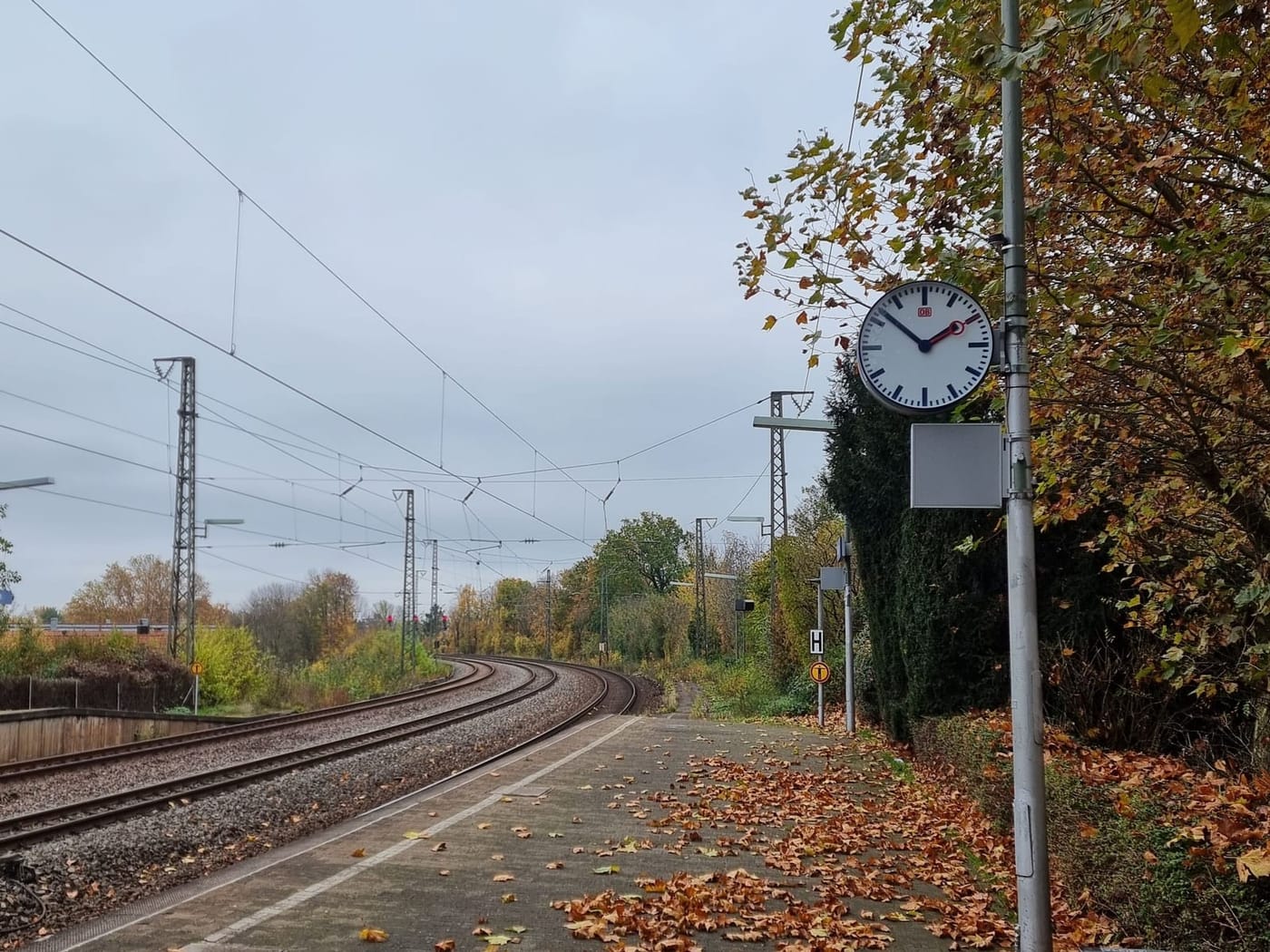
Three railway lines stop in Ins. For a village of this size that is unusual, and it is one of the reasons why housing for older people makes sense here at all: people who no longer drive can still get out.
- BLS
- Line from Bern to NeuchâtelStops in Ins
- TPF
- Line from Fribourg via Murten to InsStops in Ins
- Aare Seeland mobil
- Terminus of the Biel-Täuffelen-Ins railwayStops in Ins
- Bus
- Connections to Erlach and Tschugg
- Neuchâtel
- around 10 to 15 minutes
- Murten
- around 10 minutes
- Bern
- around 30 minutes
- Fribourg
- around 45 minutes
- Biel
- around 40 to 50 minutes
All journey times are from Ins station and rounded. The official timetable applies.
What the village has
Ins is neither a hamlet nor a commuter suburb. School, childcare, nursing care and doctors are all on site. That is the basis on which a project like the Bären makes sense in the first place.
School
Rebstock primary school
The Rebstock primary school runs four kindergarten classes and the primary level. It sits within the village and is within walking distance for most children. For a family apartment on the village square, that is the decisive question: how long is the way to school, and does someone have to drive it?
- 01Four kindergarten classes
- 02Located in the village
School
Ins secondary school centre
For the secondary level there is the Ins secondary school centre. A new building is being planned. This keeps the second school level in the village too, so young people from Ins do not commute to a neighbouring municipality for compulsory schooling.
- 01New building being planned
- 02Secondary level stays in the village
Care
Ins day school
The Ins day school is located on the school grounds. It covers the hours at either end of the day when parents are at work and lessons are already over. For families where both parents are employed, this offer often decides whether a place is an option to live in at all.
- 01On the school grounds
- 02Care beyond lesson times
Care
Childcare: Kita Chinderhuus Ins and Kibiz Region Erlach
Childcare for younger children is organised in the region through the Kita Chinderhuus daycare centre. In addition there is the parental counselling service of the canton of Bern.
- 01Kita Chinderhuus Ins
- 02Kibiz Region Erlach
- 03Parental counselling of the canton of Bern
Older people
Ins senior centre
The Ins senior centre runs 50 nursing beds and 33 senior apartments of 1½ to 3½ rooms, all with a balcony or terrace. For a village of this size that is a lot, and it shows that the subject is not new in Ins. But it also shows that a single building cannot cover the need on its own.
- 0150 nursing beds
- 0233 senior apartments, 1½ to 3½ rooms
- 03All with a balcony or terrace
Health
Medical care
There are two doctors' practices in the village. Home nursing is provided by Spitex Seeland, alongside the services of Pro Senectute Biel-Bienne/Seeland. The nearest hospitals are in Aarberg and Meyriez-Murten. For older people, this combination is the reason why staying in the village is realistic.
- 01Two doctors' practices in the village
- 02Spitex Seeland and Pro Senectute
- 03Hospitals in Aarberg and Meyriez-Murten
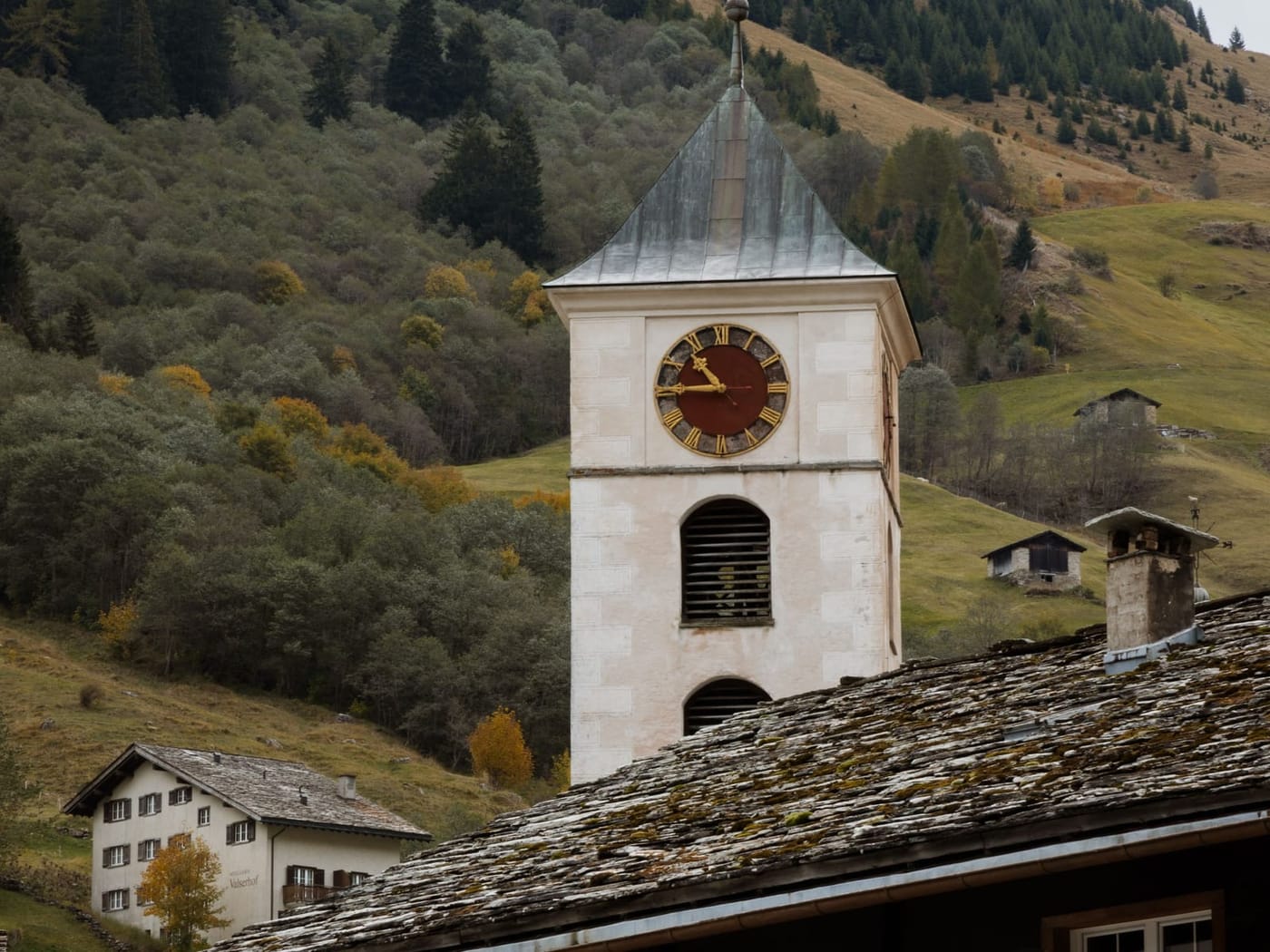
A townscape of national importance
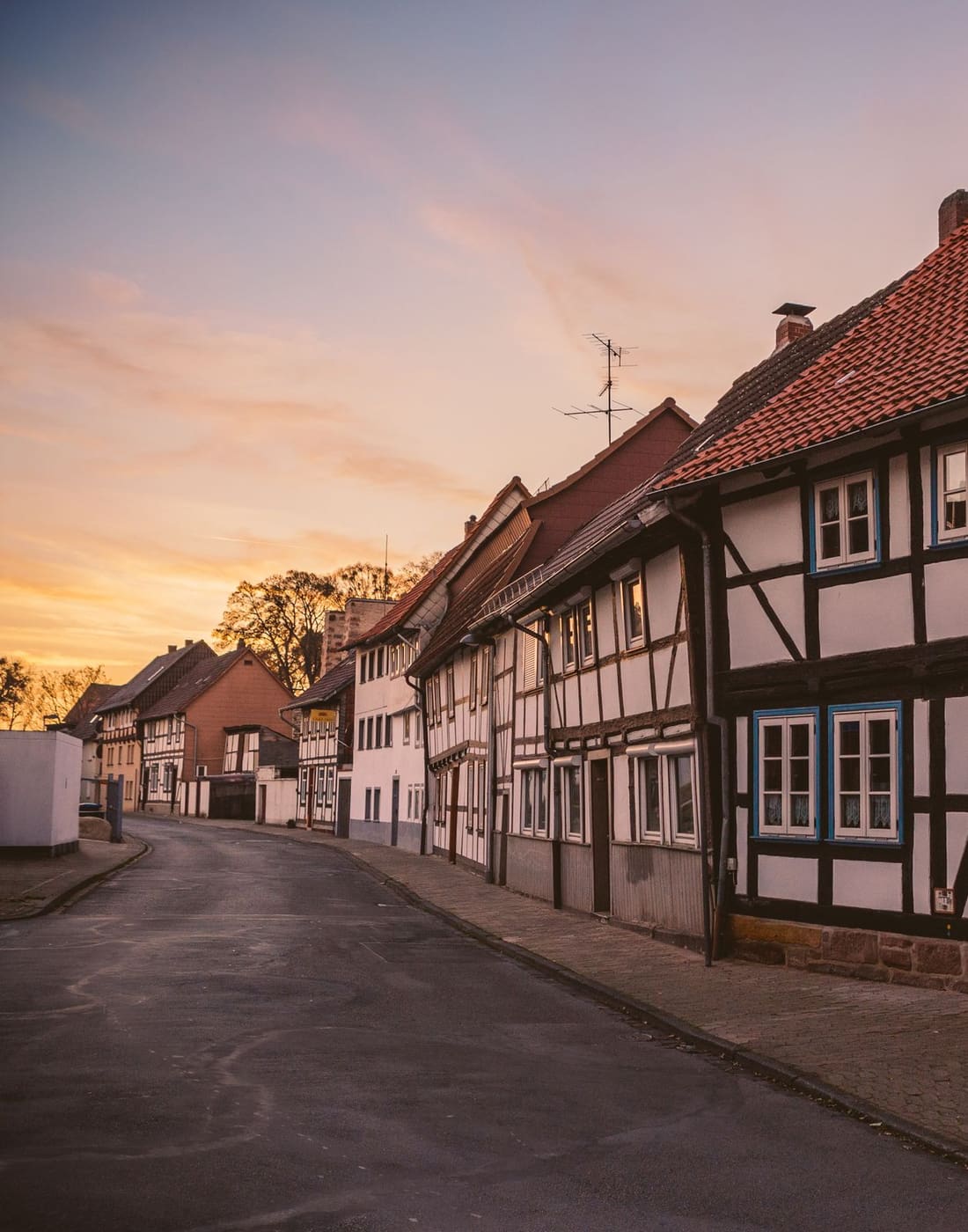
Ins is listed in the federal inventory of Swiss townscapes worthy of protection. The entry calls Ins a “typical many-branched village with a central Bärenplatz” (ISOS, Swiss Federal Office of Culture): the village square carries the name of the house that stands on it and that has been a ruin since the fire. That does not only bind the authorities, it binds us too: in the village core, every volume, every eaves height and every facade counts.
The village of Albert Anker
Ins is the birthplace and workplace of the painter Albert Anker, who lived from 1831 to 1910. He worked here, and he painted what he saw outside his door: children in the schoolroom, old people at the table, everyday life in a Seeland village. His former home now houses the Centre Albert Anker.
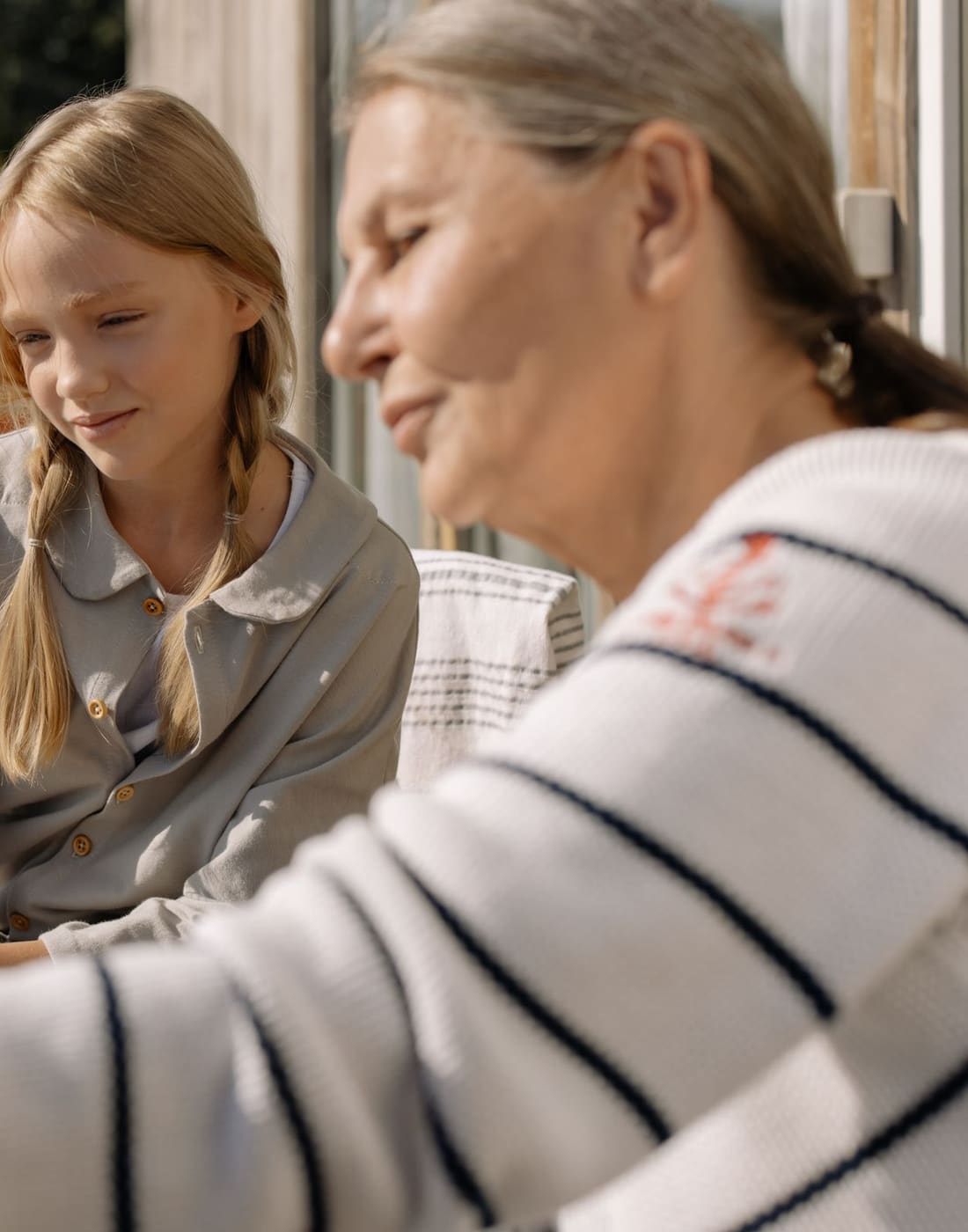
That is more than a tourist footnote. Anker's paintings show exactly the side-by-side of young and old that the Bären project is about. That this subject is on the agenda in Ins of all places is an accident of history, but a fitting one.
The place is old. The municipality was first mentioned in 1009, the place name in 1109 as “Anestre”. The Reformed church has a Romanesque core, its tower dates from 1541, and the hall church was built by Abraham Dünz in 1667 and 1668.
There are further cultural assets: the Albert Anker house on Müntschemiergasse, a farmhouse from 1803, the Wagner house, a manor house from around 1740, the Himmelriich farmhouse, which has stood since 1553, Hallstatt period burial mounds in the Schaltenrain and the ruins of Fenis castle. Friedrich Dürrenmatt had the idea for “The Visit” during a stay in Ins.
- Albert Anker, 1831 to 1910, birthplace and workplace
- Centre Albert Anker in his former home
- Reformed church with a tower from 1541
- The municipality was first mentioned in 1009
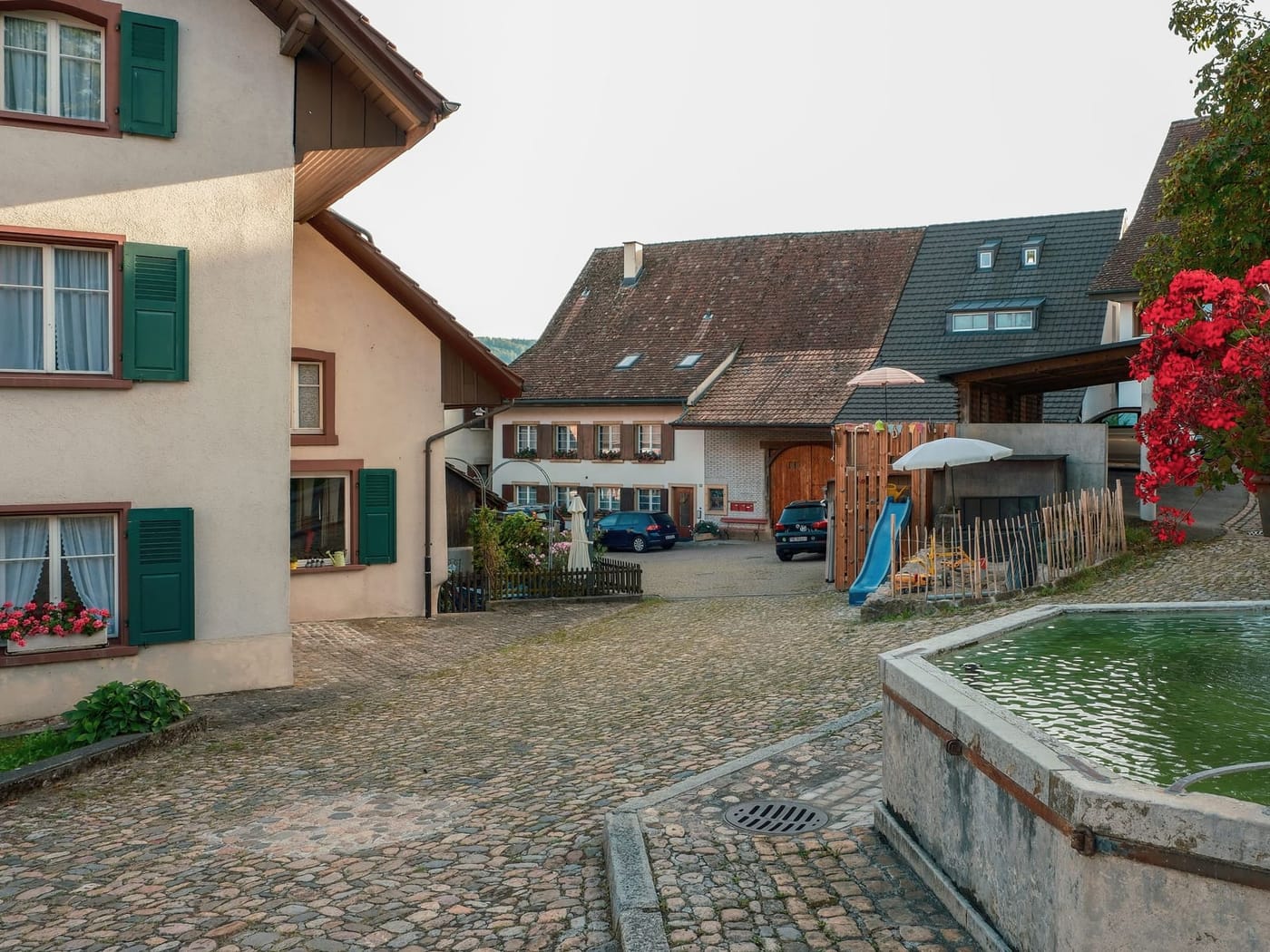
Why senior apartments are a subject here
Around one in five people in Ins is 65 or older. The figure from the Federal Statistical Office for 2024 is 826 of 3,777. That is not a forecast or a trend still to be expected, it is the situation today. Ins is not alone in this: in 2025 the number of people aged 65 and over in Switzerland exceeded the number of under-20s for the first time (Federal Statistical Office).
The Ins senior centre covers part of it: 50 nursing beds and 33 senior apartments. Those apartments are an answer to one particular situation in life. They are not, however, the only answer that is needed.
The great majority of people want to stay in the village where they have spent their lives. Not in an institution, but in their own apartment, at an address they know, with neighbours they have greeted for decades. If nothing suitable becomes available, they move away, and the house they leave behind goes to somebody from elsewhere.
That is exactly where the Bären project comes in. Ten senior apartments solve no demographic problem. But on the village square they create ten ways of staying in Ins without having to maintain a whole house.
- 826 of 3,777 people are 65 or older
- Ins senior centre with 50 nursing beds and 33 senior apartments
- Ten additional senior apartments planned on the village square
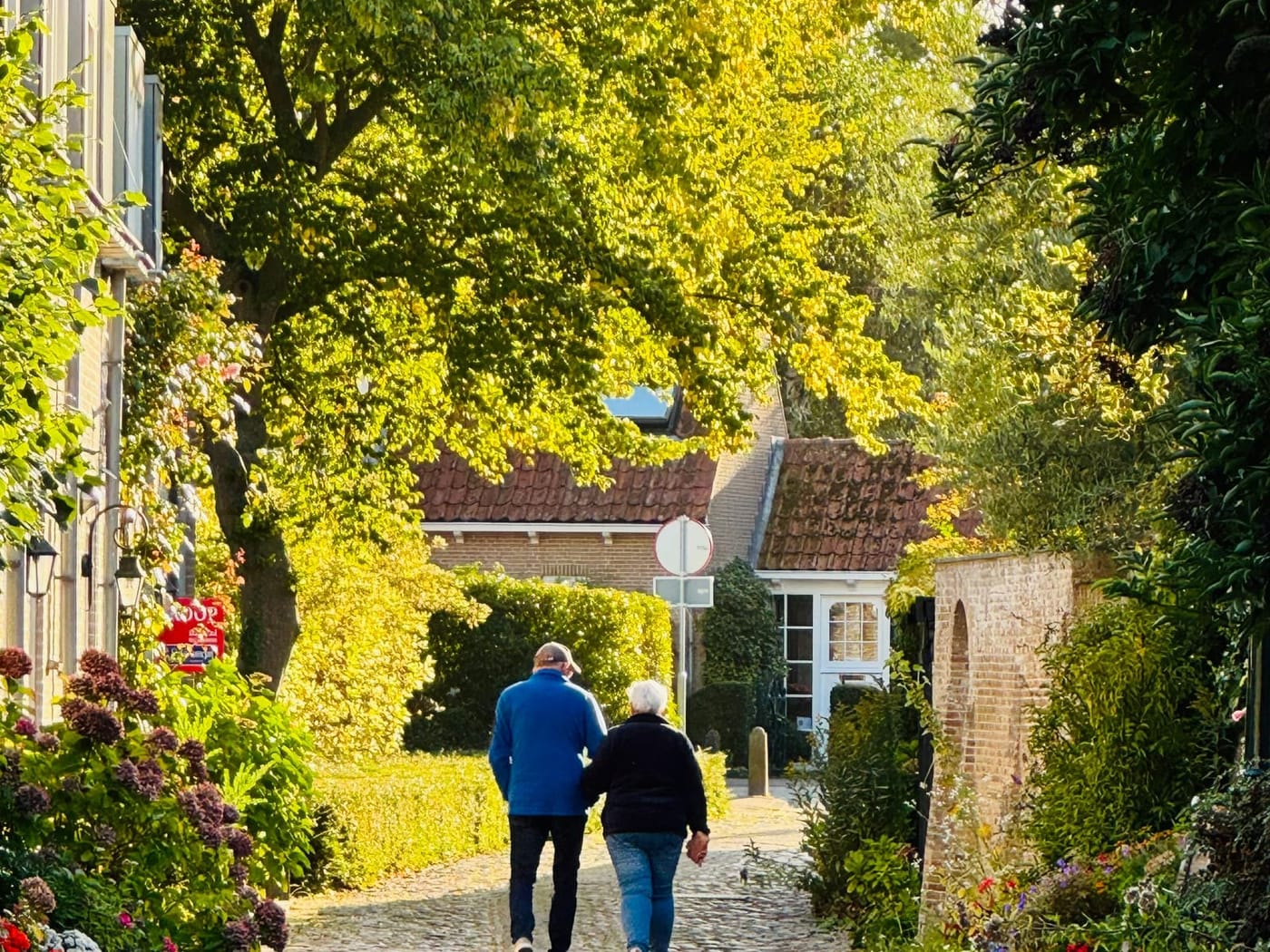
Ins in everyday life
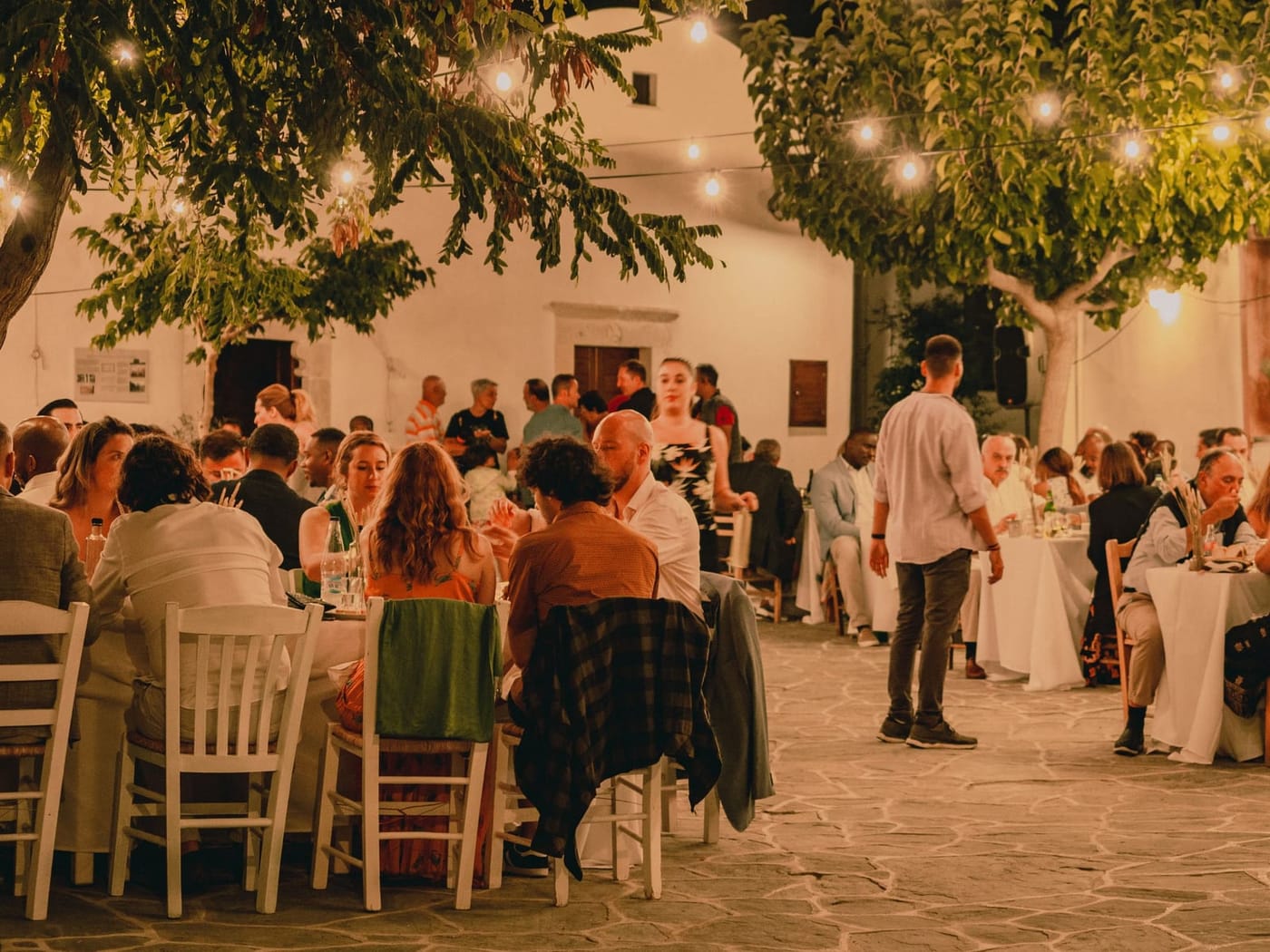
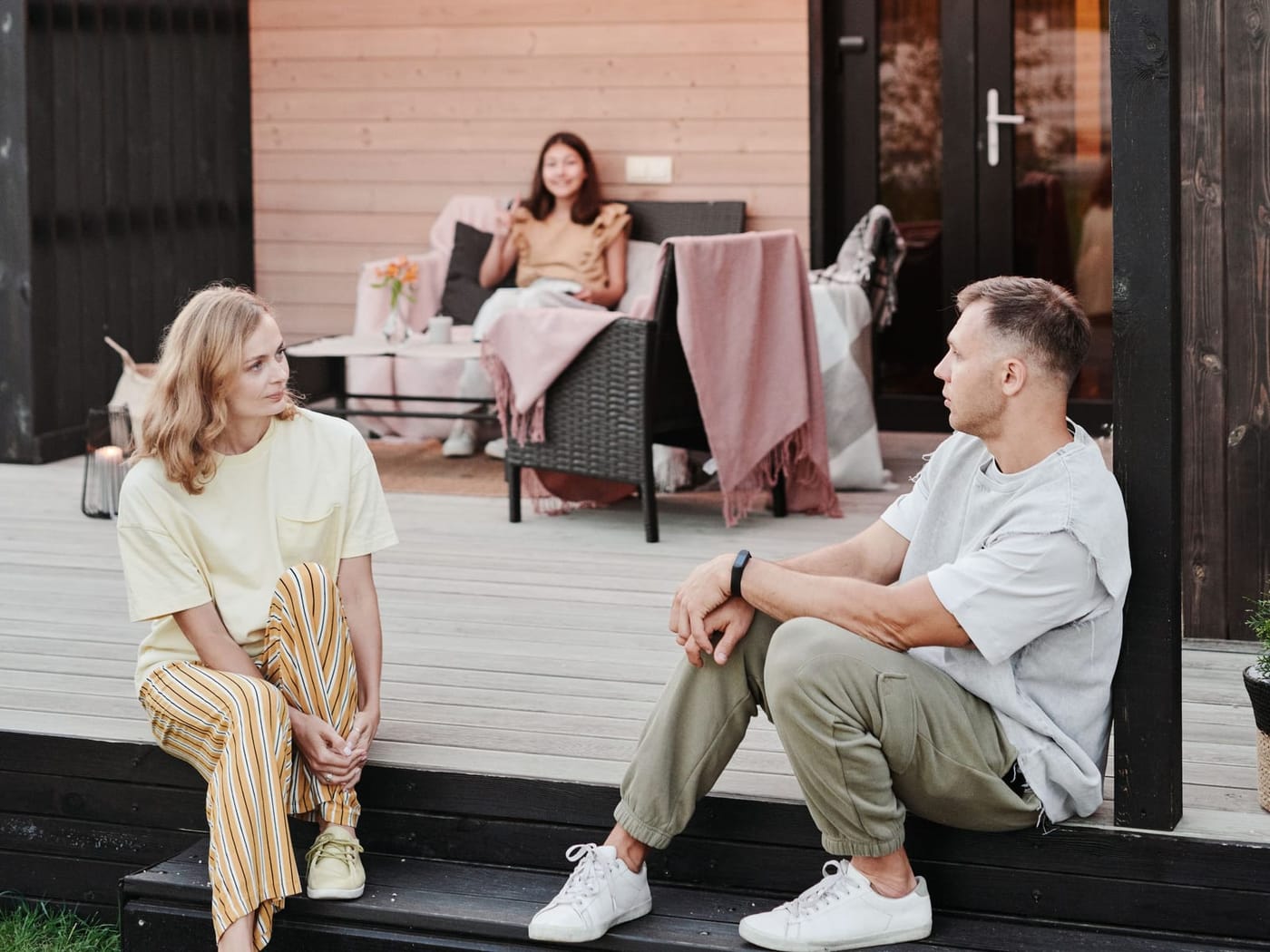
Not a brochure, but what makes the place: fields, the station, the neighbourhood and the occasions when half the village sits at the same table.
Would you like to know more?
Whether you are interested in an apartment, want to follow the development process or would like to talk to us about the site: we look forward to hearing from you.
Interested parties are considered in the order in which they get in touch.